Complete Bodhgaya Pilgrimage Guide: Visiting Mahabodhi Temple & Holy Sites
Bodhgaya is regarded across the globe as the holiest Buddhist pilgrimage destination. Situated on the banks of the sacred Falgu River in the Gaya district of Bihar, this revered town is where Prince Siddhartha Gautama achieved supreme enlightenment under the sacred Bodhi Tree over 2,500 years ago, becoming the Buddha.
1. The Sacred Mahabodhi Temple Complex
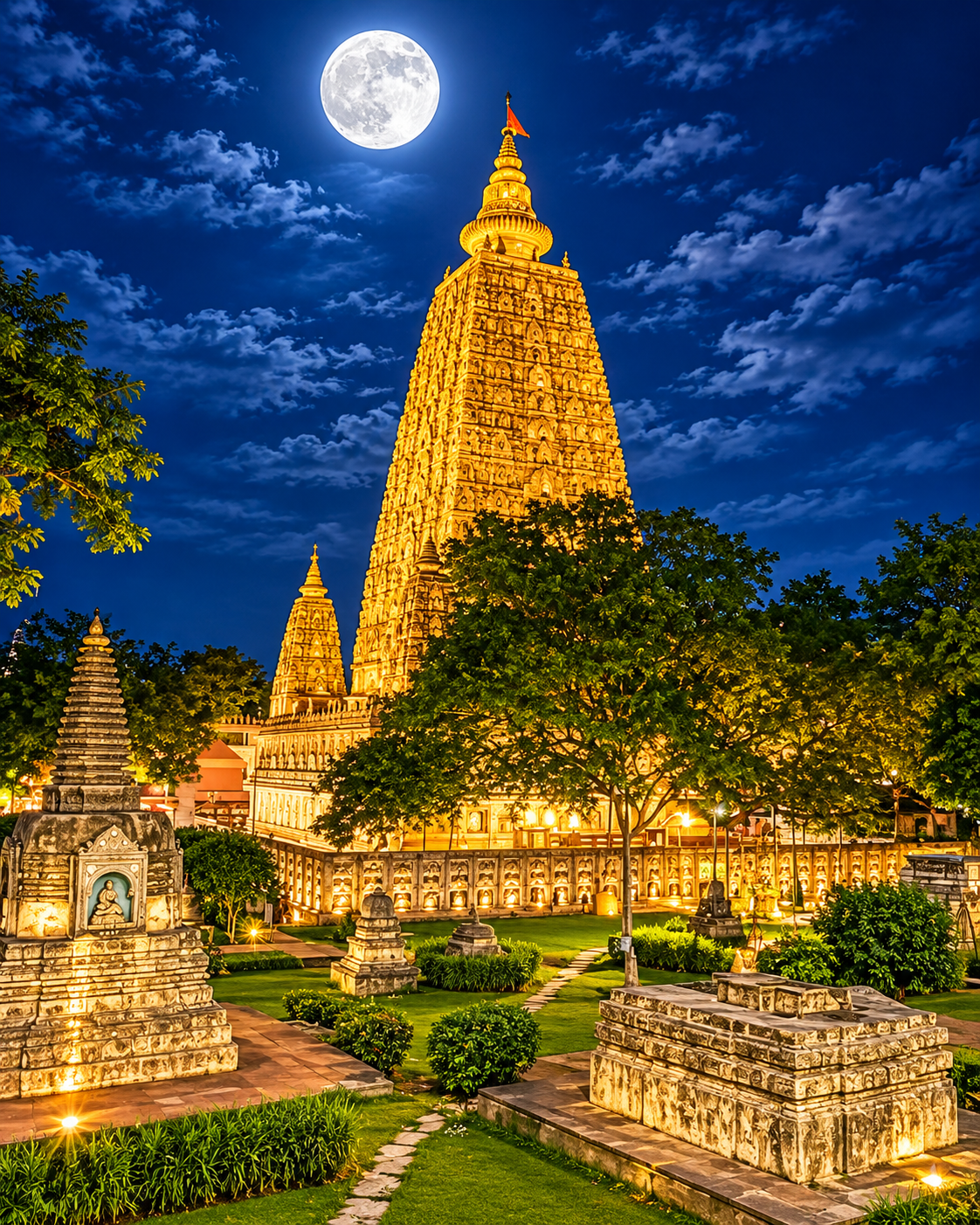
Designated as a UNESCO World Heritage Site, the grand Mahabodhi Mahavihara is an architectural masterpiece of classical Indian brickwork dating back to the 5th–6th century. Soaring 55 meters (180 feet) high, the temple spire features intricate carvings illustrating Buddhist teachings.
Behind the main sanctum stands the legendary Bodhi Tree (Ficus religiosa), grown from an authentic sapling of the original tree under which the Buddha sat in deep meditation. Directly beneath the tree lies the Vajrasana (Diamond Throne), installed by Emperor Ashoka to mark the exact spot of enlightenment.
Important Mahabodhi Temple Timings & Entry Rules
- Opening Hours: 5:00 AM to 9:00 PM every day throughout the year.
- Entry Fee: General entry is free for all visitors and pilgrims.
- Electronics Policy: Mobile phones and smart electronic devices are strictly prohibited inside the inner complex and must be deposited in the secure locker counter at the entrance.
- Photography: Still cameras are permitted with a nominal token ticket purchased at the counter.
- Dress Code: Modest, respectful attire covering shoulders and knees is mandatory.
2. Key Pilgrimage Highlights Around the Temple
Pilgrims visiting Bodhgaya should also dedicate time to experience these nearby sacred spots:
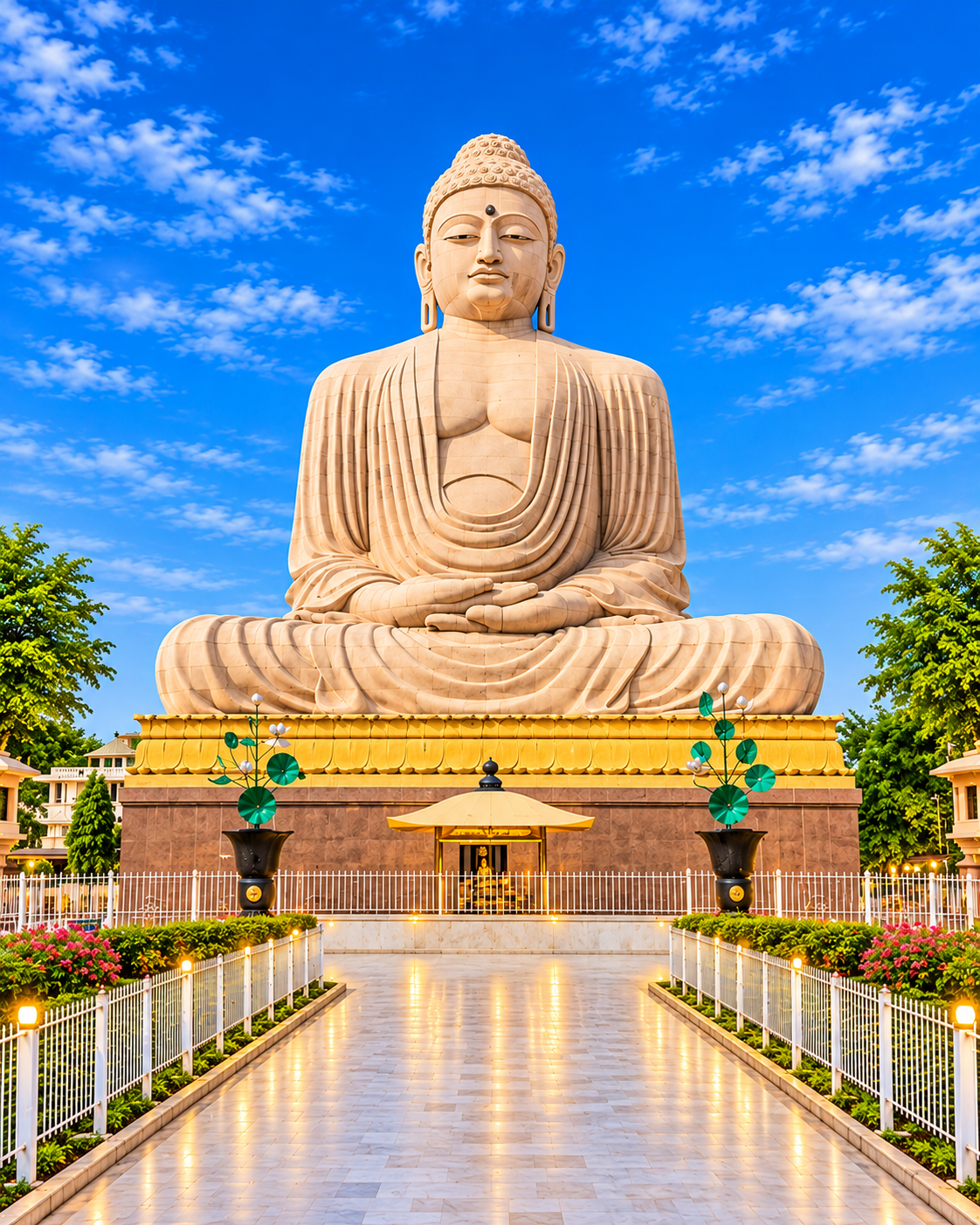
- The Great Buddha Statue (Daibutsu): An awe-inspiring 80-foot tall statue of Lord Buddha meditating on a lotus, unveiled by the 14th Dalai Lama.
- Muchalinda Lake: Located south of the main temple, depicting the legend of the Serpent King Muchalinda shielding the meditating Buddha during a severe thunderstorm.
- Sujata Kuti (Bakrour): Situated across the Falgu River, commemorating the maiden Sujata who offered the nourishing kheer (rice-milk pudding) that ended Siddhartha's severe austerities.
- Dungeshwari (Mahakala) Caves: Perched in the tranquil hills 12 km from Bodhgaya, where Siddhartha meditated for six intense years before descending to the Bodhi tree.
3. Best Time to Visit Bodhgaya
The ideal season to explore Bodhgaya is from October to March, when the weather is pleasantly cool and spiritual chanting fills the crisp morning air. This period also coincides with auspicious monastic festivals, the annual Kagyu Monlam, and Buddha Jayanti celebrations.
4. Where to Stay: Peace, Hygiene & Comfort at Hotel The Kalash
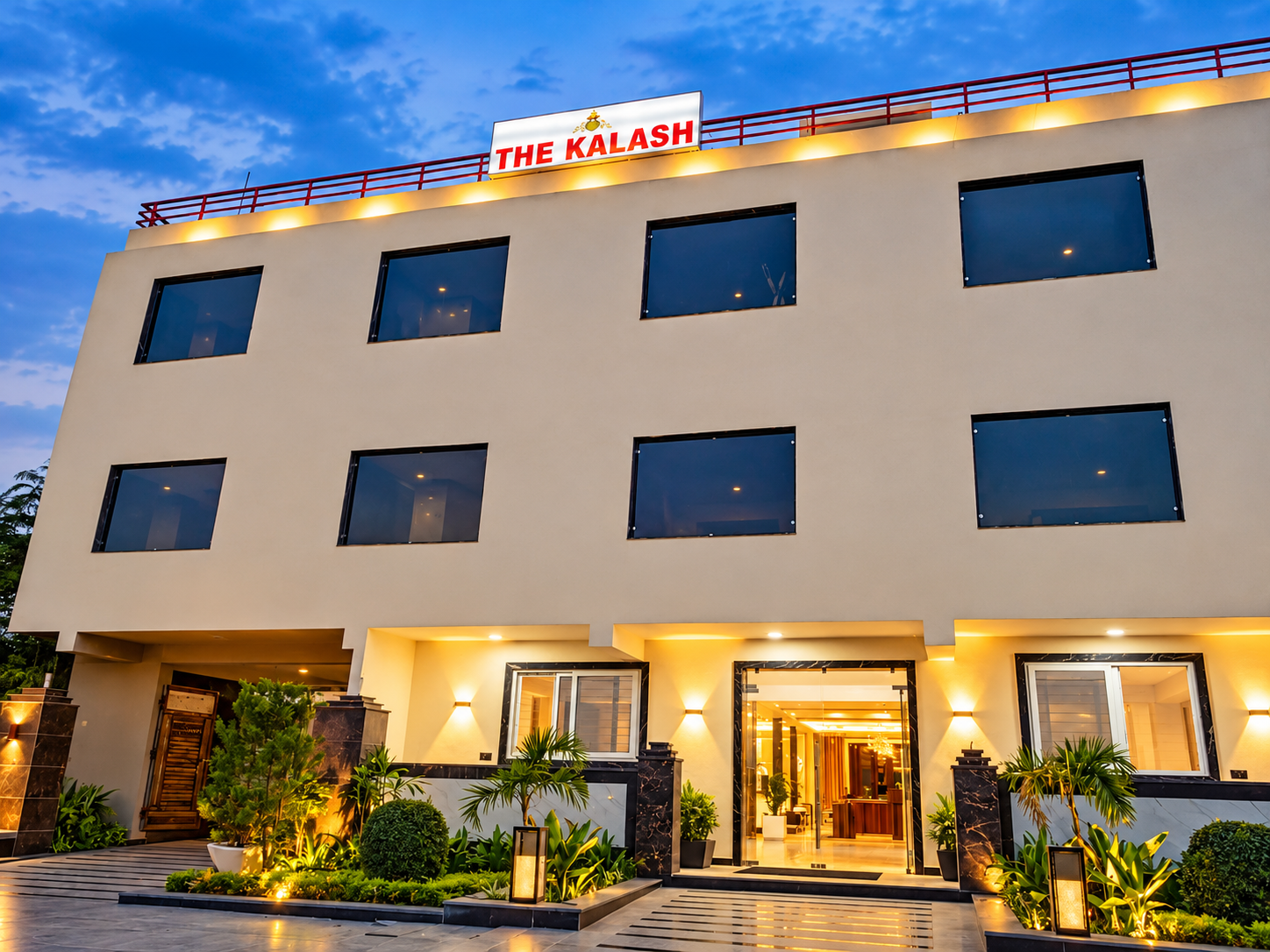
Finding a quiet, hygienic, and well-managed accommodation is essential for a peaceful pilgrimage. Conveniently situated near the peaceful Vietnam Temple on Kol Baba Road, Hotel The Kalash provides an oasis of calm just minutes away from the temple hub.
Featuring fully air-conditioned family rooms with garden views, continuous power backup, 24/7 hot water, free secure car parking, and an attentive front-desk team ready to assist with temple travel guidance, Hotel The Kalash ensures your stay in Bodhgaya is truly serene and restorative.
Planning Your Visit to Holy Bodhgaya?
Enjoy serene comfort, clean air-conditioned rooms, free car parking, and genuine hospitality right near the Vietnam Temple on Kol Baba Road.